
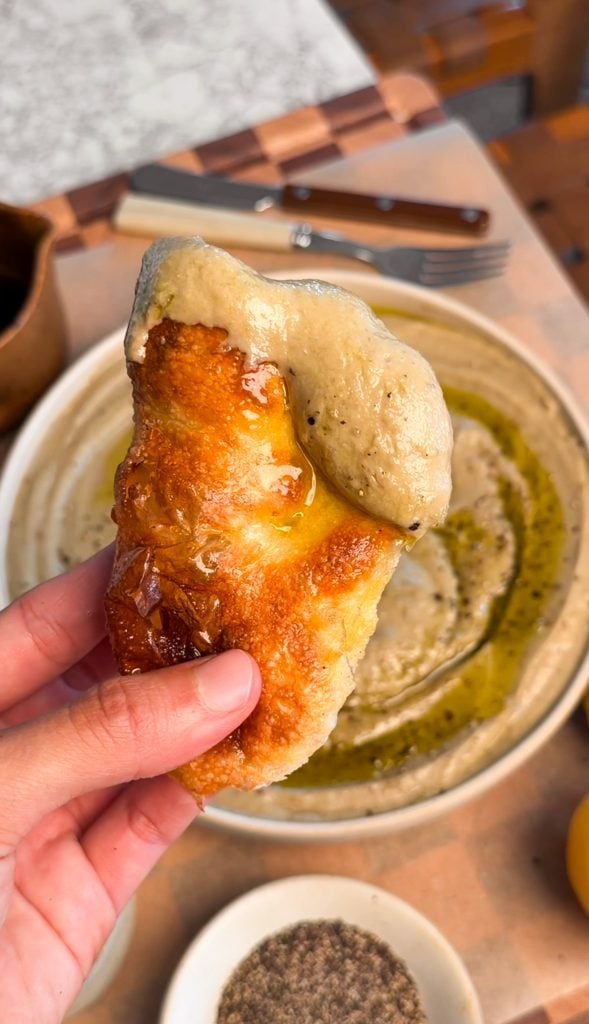
This past summer, I spent time in Paris and the South of France, and one dish completely stole my heart: French mashed potatoes, or pommes purée. They weren’t just creamy. They were so smooth, buttery, and silky that I literally used them as a dip for both my bread and my steak. Every restaurant seemed to do their own version, but I was obsessed enough that I knew I had to come home and recreate them in my own kitchen.

This technique was made famous by legendary chef Joël Robuchon, who became known for serving the creamiest, dreamiest mashed potatoes in the world. His version is rich, elegant, and unlike any mashed potatoes you’ve probably had before. They’re more like a velvet potato cloud than a side dish. Today, I’m showing you how to make them at home, step by step, so you can experience that same French indulgence.
Why You’ll Love This Recipe
- Inspired by France – Straight from Paris and the South of France to your kitchen.
- Unbelievably silky – These aren’t your everyday mashed potatoes — running them through a sieve gives that signature smoothness.
- Elevated but simple – Made with just a handful of ingredients: potatoes, butter, cream, and salt. You probably already have all this stuff on hand.
- Restaurant-worthy – This is the same technique that Michelin-starred chefs use, but it’s easy to do at home.
Ingredients You’ll Need
The best part? This recipe uses less than 10 ingredients, and they’re all simple staples you probably already have.
- Yukon Gold potatoes – The French traditionally use this variety for their naturally buttery flavor and creamy texture.
- Butter – Two full sticks, added cold or room temp and cubed, so they emulsify perfectly into the potatoes. Plus more for finishing.
- Heavy cream – Warmed before adding, it makes the mash smooth, rich, and spoonable.
- Salt – For both boiling the potatoes and seasoning the mash.
- Flaky sea salt & chives – For finishing and adding that little bit of texture and freshness on top.
What Makes This Recipe Different from American Mashed Potatoes
If you’ve only ever had classic American mashed potatoes, you’re in for a surprise with this French version. American mashed potatoes are usually made with Russets or Idaho potatoes, which are starchy and result in a fluffier, more rustic mash. French-style pommes purée, on the other hand, traditionally use Yukon Gold potatoes for their naturally buttery flavor and creamy texture.
Another big difference is in the technique. Instead of just mashing with a potato masher or electric mixer, the potatoes are first riced and then passed through a fine-mesh sieve. This extra step may seem fussy, but it’s what transforms the potatoes into an ultra-smooth, silky purée — the kind you find in French restaurants. The result is less rustic, more refined, and truly worthy of serving alongside a beautiful steak or roasted chicken.
How to Make French-Style Mashed Potatoes
Start by cooking the potatoes whole, skins on. This is important — cooking them unpeeled keeps them from soaking up excess water, which is the secret to keeping the mash flavorful instead of watery. Boil them in generously salted water until fork tender, about 20 to 25 minutes, then peel off the skins while they’re still warm.
Next, rice the potatoes using a potato ricer. This already gives you a smooth, lump-free base, but the real magic comes in the next steps. While the potatoes are hot, add cold or room temp cubed butter and fold it in until it melts completely. Then slowly add warm heavy cream, mixing until you reach that silky, creamy consistency. Season with salt to taste.
Now comes the true French technique: pass the buttery potatoes through a fine-mesh sieve. This is the step that made Joël Robuchon’s mashed potatoes world-famous, and it’s what turns them into pure velvet. Yes, it takes a few extra minutes, but the result is so worth it. You’ll never look at mashed potatoes the same way again.
Spoon the finished pommes purée into a warm serving dish, dot with a little extra butter, sprinkle with flaky sea salt, and finish with fresh chives. Serve them alongside steak, roast chicken, or honestly, just grab a piece of crusty bread and dip right in exactly how I did in France.
Where To Buy the Tools I Used
Variations to Try
- Garlic version – Infuse the cream with garlic cloves before adding.
- Cheesy twist – Stir in a bit of Gruyère or parmesan for a French spin on cheesy potatoes.
- Truffle upgrade – A drizzle of truffle oil or shaved truffles takes these straight into fine dining territory.
Make Ahead & Storage
French-style mashed potatoes are best served fresh, but you can make them a day ahead. Reheat gently on the stove with a splash of cream to loosen them back up. Store leftovers covered in the fridge for up to 3 days — though good luck keeping them around that long.

Craving More Potatoes? Try These Recipes Out!
- Chicken Shawarma Potato Bowls
- Loaded Sweet Potatoes with Ground Beef
- Sweet Potato French Fries
- Crispy Potato Tacos
- Taco Bell Cheesy Fiesta Potatoes
If you tried this recipe and loved it, drop by down below and let me know how you liked it with a rating and comment! Feel free to also leave a question there about this recipe and I’ll get right back to it.
To see more recipes and behind the scenes, follow along on Instagram and Youtube! I’m also now on Pinterest pinning away so stop by and see what’s up.

French-Style Mashed Potatoes – Pommes Puree
Ingredients
- 3 pounds Yukon Gold potatoes
- salt, for generously salting the water
- 2 sticks, 1 cup unsalted butter, cold or room temp and cubed, plus more for finishing
- 1 cup heavy cream, warmed (more as needed)
- 1 ½ teaspoons salt, or to taste
- flaky sea salt, for serving
- chopped chives, for garnish
Instructions
- Cook the Potatoes: Place the whole, unpeeled Yukon Gold potatoes in a large pot and cover with cold water. Generously salt the water, bring to a boil, then reduce to a simmer. Cook until the potatoes are tender when pierced with a fork, about 20 to 25 minutes depending on their size.
- Peel and Rice: Drain the potatoes and let them cool just enough to handle. Peel off the skins while still warm. Pass the potatoes through a potato ricer into a large pot or bowl.
- Add Butter and Cream: While the potatoes are still hot, fold in the cubed butter until fully melted. Slowly stream in the warm heavy cream, mixing until you have a smooth, creamy consistency. Add as little or as much cream as needed to achieve the right texture. Season with salt to taste.
- Make it Silky: For the ultimate French-style texture, pass the buttery, creamy potatoes through a fine-mesh sieve. This extra step creates the silkiest, most luxurious mashed potatoes.
- Finish and Serve: Transfer the pommes purée to a serving dish. Top with a few extra pats of butter, a sprinkle of flaky sea salt, and garnish with fresh chives. Serve immediately while warm and velvety.
Notes
A: Yes! You can make them a day in advance. Just reheat gently on the stove over low heat with a splash of cream to bring back that silky texture. Q: Do I really need to run the potatoes through a sieve?
A: This is the French secret to making mashed potatoes incredibly smooth and silky. Passing them through a fine-mesh sieve after ricing takes them from creamy to luxurious. (You can find the sieve I use here). Q: What type of potato is best?
A: The French classically use Yukon Gold potatoes for pommes purée. They’re naturally buttery and creamy, which makes them perfect for this recipe. Russets will work too or any yellow potatoes, but the texture will be lighter and fluffier rather than velvety. Q: Do I need a potato ricer?
A: Yes — it makes a big difference! A ricer ensures the potatoes are lump-free and perfectly smooth before they even hit the sieve. (You can find the ricer I recommend here). Q: Why do you add cold or room temp butter instead of melted?
A: Adding cold, cubed butter allows it to slowly emulsify into the hot potatoes, creating a richer, creamier texture. Melted butter just sits on top, but cold butter melts gradually and locks in that silky consistency. Q: Why not peel the potatoes first before boiling?
A: Cooking potatoes whole with their skins on helps them absorb less water as they boil, which keeps the mash rich and flavorful instead of watery. Once cooked, the skins slip off easily.
Did You Make This Recipe?
If you make this recipe, leave a comment below and let me know how it turns out. I love hearing from you!


Rate & Review