
Making Korean BBQ at home is seriously one of the best ways to recreate that amazing restaurant vibe right in your own kitchen. With just a few flavorful marinades, fresh veggies, and your favorite meats, you’ll be grilling up a mouthwatering feast in no time. So grab your loved ones, fire up the grill, and let’s get that sizzle going for the ultimate Korean BBQ night at home!
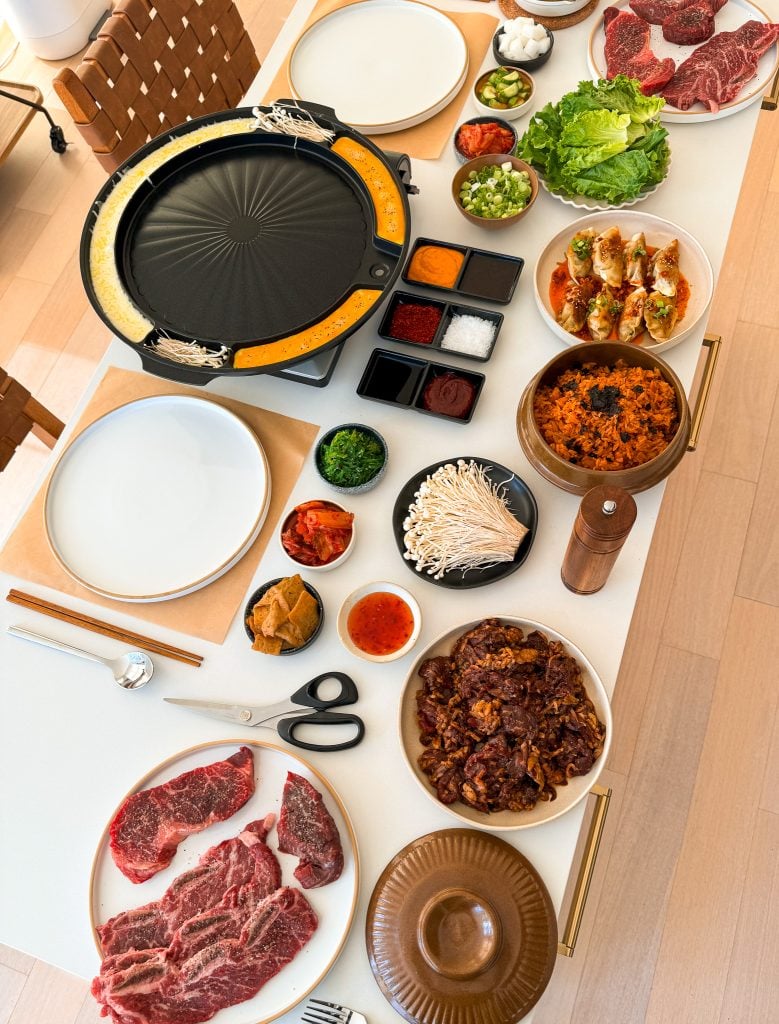
If it’s your first time making KBBQ at home, it might seem complicated at first but I promise it’s so simple especially once you have all the equipment. Keep in mind, everything I used and made in this video/blog post is not necessary like all the sides. That’s the best part about KBBQ, it’s unique to each person depending on what you like! The first thing we are going to get into is the banchan.
BANCHAN
Banchan are the delightful array of small side dishes that accompany a traditional Korean BBQ meal. These little dishes add an explosion of flavors, textures, and colors that enhance the BBQ experience, making it more communal and satisfying. Let’s dive into the different types of banchan, where to find them, and tips for making your own.
Classic Banchan Options
1. Kimchi: The iconic fermented cabbage dish is spicy, tangy, and full of umami. It’s made with napa cabbage, radishes, scallions, and a mix of chili pepper, garlic, ginger, and fish sauce. There are many variations of kimchi, including cucumber kimchi and radish kimchi, each bringing a unique flavor to the table. You can buy this at most grocery stores now but there will also be a recipe on the blog for it in the next episode of this series.
2. Japchae: These stir-fried sweet potato noodles are mixed with a variety of vegetables like spinach, carrots, and mushrooms, and seasoned with soy sauce and sesame oil. Japchae is slightly sweet and has a wonderfully chewy texture.
3. Kongnamul Muchim: Seasoned soybean sprouts are a light and refreshing addition to your BBQ spread. They are typically blanched and then mixed with garlic, sesame oil, and a touch of soy sauce.
4. Gamja Jorim: Braised potatoes in a sweet and savory soy sauce mixture are tender and flavorful. This dish can be served warm or cold, making it versatile and always delicious.
5. Oi Muchim: This spicy cucumber salad is crunchy, tangy, and refreshing. It’s made with thinly sliced cucumbers tossed with gochugaru (Korean red pepper flakes), garlic, sesame oil, and vinegar.
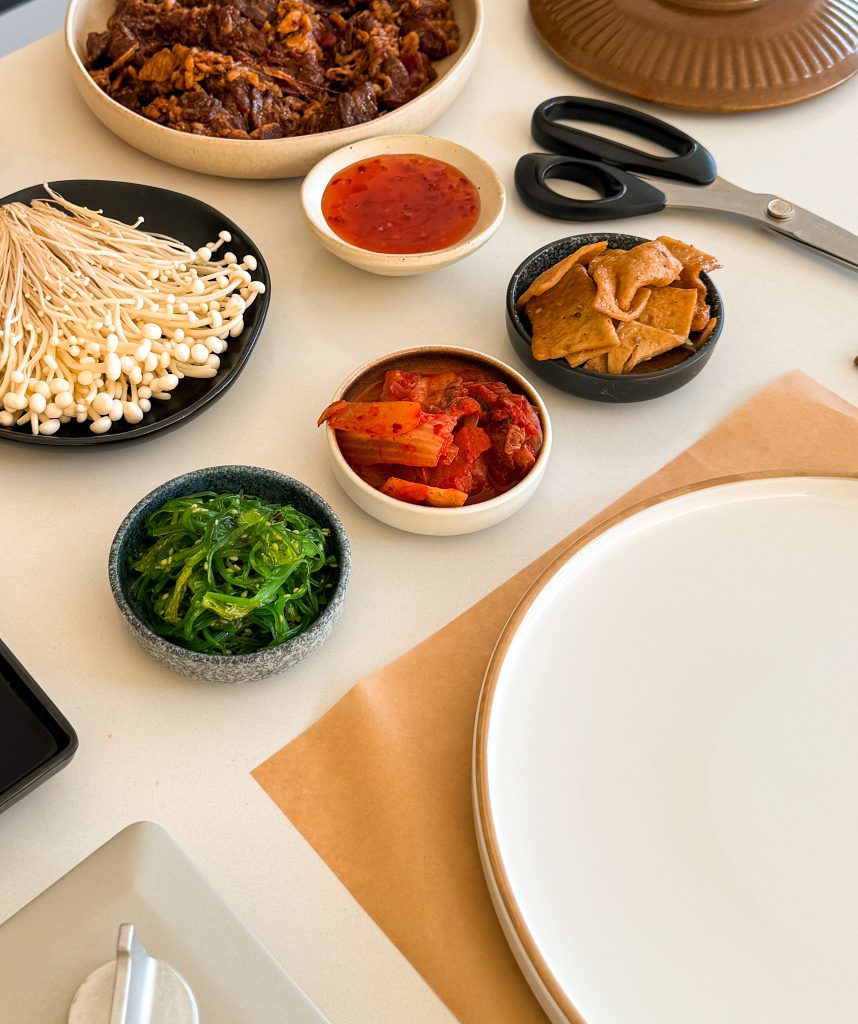
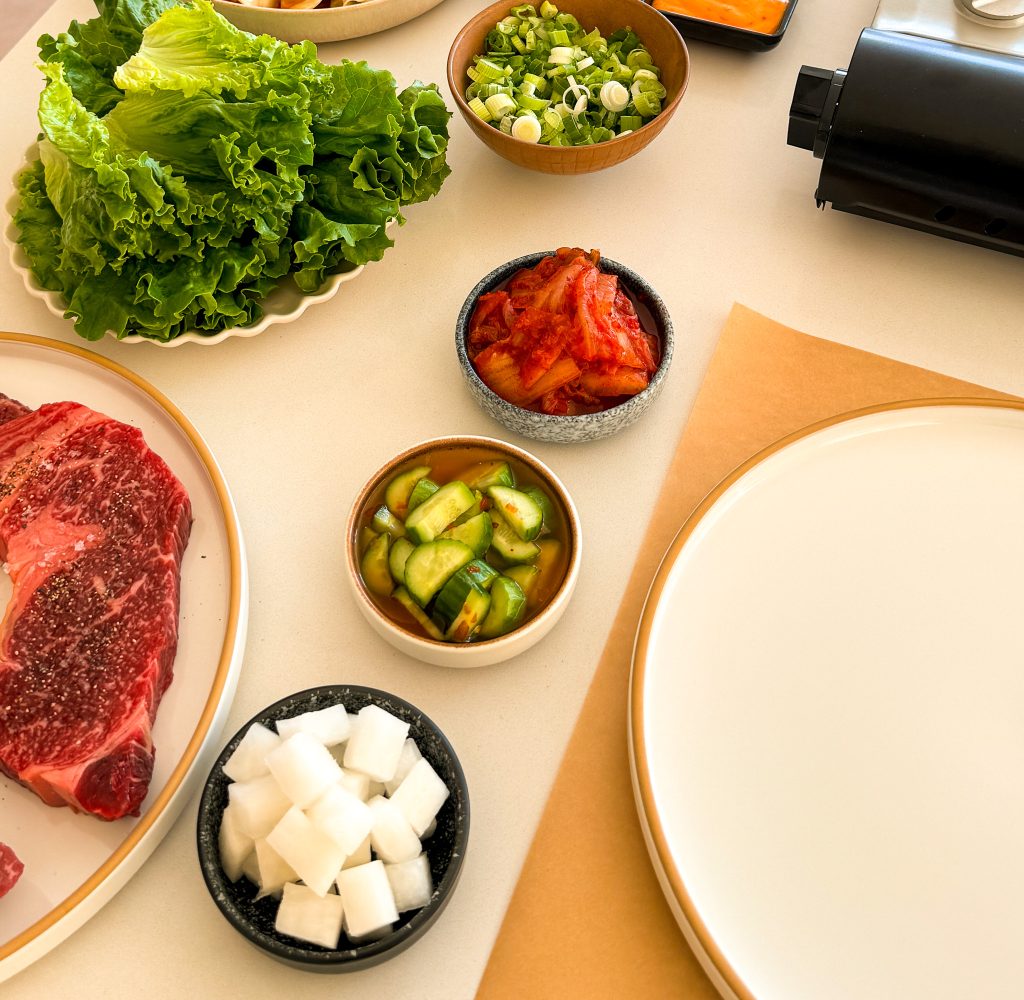
6. Gyeran Jjim: Steamed egg custard is light, fluffy, and comforting. It’s made by whisking eggs with water or broth and gently steaming the mixture until it sets.
8. Bokkeum: Stir-fried dishes like fish cakes, anchovies, or squid, often with a sweet and spicy glaze.
9. Jeon: Korean pancakes made with vegetables, seafood, or meat, and often dipped in a soy-based sauce.
10. Jangajji: Pickled vegetables like radish, garlic, and cucumbers add a tangy, crunchy contrast to the meal.
Where to Find Banchan
Finding banchan for your Korean BBQ is easier than you might think. Here are a few options:
- Korean Grocery Stores: Many Korean supermarkets have a section dedicated to ready-made banchan. You can find a wide variety of dishes here, often freshly prepared and packaged. I always get all of mine at H-Mart.
- Asian Markets: Larger Asian grocery stores often carry banchan in their refrigerated sections.
- Korean Restaurants: Some Korean restaurants sell banchan to-go. It’s a great way to get a taste of authentic dishes made by experts.
Tips for Making Banchan at Home
- Start Simple: If you’re new to making banchan, start with simpler recipes like kongnamul muchim or oi muchim. These dishes require minimal ingredients and time.
- Prepare in Advance: Many banchan can be made ahead of time and stored in the refrigerator. This allows the flavors to develop and makes meal prep easier.
- Balance Flavors: Aim for a mix of flavors and textures – spicy, tangy, sweet, crunchy, and soft – to create a balanced spread.
- Use Fresh Ingredients: Fresh, high-quality ingredients make a significant difference in the taste and texture of banchan.
- Experiment and Customize: Don’t be afraid to experiment with different seasonings and ingredients. Customize the recipes to suit your taste preferences.
TOOLS YOU NEED
Creating an authentic Korean BBQ experience at home requires a bit of preparation and the right tools. Here’s a comprehensive guide to the essential equipment and utensils you’ll need, from the grill and fuel to the scissors and tongs that make Korean BBQ so unique and enjoyable.
The Grill
1. Korean BBQ Grill: At the heart of your Korean BBQ setup is the grill. There are several options to choose from:
- Tabletop Gas Grill: These portable grills are perfect for indoor use. They are fueled by small butane gas canisters, which are easy to replace and provide a consistent heat source. They typically come with a non-stick grill plate that’s easy to clean.
- Charcoal Grill: If you prefer the smoky flavor that only charcoal can provide, a tabletop charcoal grill is an excellent choice. These grills are usually compact and designed for indoor use with proper ventilation. They require more effort to light and maintain but offer a traditional BBQ flavor.
- Electric Grill: For those who want a hassle-free option, electric grills are a great choice. They plug into a standard outlet and have adjustable heat settings, making them easy to use and control.
2. Grill Plate: The type of grill plate you use can affect the cooking process. Common options include:
- Cast Iron Grill Plate: Provides even heat distribution and retains heat well. Ideal for achieving a good sear on meats.
- Non-Stick Grill Plate: Easier to clean and great for delicate items like vegetables and seafood.
- Mesh Grill Plate: Often used for charcoal grills, allowing the smoky flavor to infuse the food.
Fuel
1. Butane Gas Canisters: If you’re using a tabletop gas grill, you’ll need butane gas canisters. These are widely available at Asian grocery stores, camping supply stores, and online retailers. Make sure to have a few extra canisters on hand to ensure you don’t run out of fuel during your BBQ.
2. Charcoal: For charcoal grills, high-quality lump charcoal or briquettes are essential. Lump charcoal burns hotter and produces less ash, while briquettes offer a more consistent burn. Don’t forget to have a charcoal chimney starter or an electric starter to light the charcoal safely and efficiently.
Cooking Utensils
1. Tongs: Long, sturdy tongs are a must for handling the hot grill and turning the meat. They should provide a good grip and be long enough to keep your hands away from the heat.
2. Scissors: A distinctive aspect of Korean BBQ is the use of kitchen scissors to cut meat into bite-sized pieces directly on the grill. Look for high-quality, sharp kitchen scissors that are comfortable to hold and easy to clean.
3. Grill Brushes: To keep your grill clean and ensure even cooking, a good grill brush is essential. Choose one with sturdy bristles that can handle the high heat and scrub away any residue.
4. Heat-Resistant Gloves: Protect your hands from the heat with a pair of heat-resistant gloves. These are especially useful when handling the grill or adjusting charcoal.
Serving Utensils
1. Small Plates and Bowls: Banchan, or side dishes, are an integral part of Korean BBQ. Ensure you have plenty of small plates and bowls to serve a variety of banchan alongside the grilled meats.
2. Chopsticks and Spoons: Traditional Korean meals are typically eaten with metal chopsticks and spoons. Have enough sets for all your guests to enjoy their meal comfortably.
3. Dipping Sauce Bowls: Small bowls for dipping sauces like ssamjang (spicy soybean paste) and sesame oil with salt are essential. These sauces enhance the flavor of the grilled meats and add variety to each bite.
4. Lettuce and Perilla Leaves: These are used to wrap the grilled meat along with banchan and sauces. Prepare a large platter of fresh, washed leaves for your guests to make their own wraps.
Other Essentials
1. Portable Fan or Ventilation: If you’re grilling indoors, proper ventilation is crucial to avoid smoke buildup. A portable fan or a kitchen range hood can help direct smoke away from your dining area.
2. Table Protector: To protect your dining table from heat and spills, use a heat-resistant table protector or a large trivet under your grill.
3. Trash Bin: Have a small trash bin or bowl nearby to dispose of bones, napkins, and other waste conveniently during the meal.
Setting Up Your Korean BBQ
Setting up your Korean BBQ station is part of the fun. Arrange your grill in the center of the table with all the necessary tools and utensils within easy reach. Prepare the banchan and sauces in advance and place them around the grill for easy access. Ensure that the grill is securely placed and that all safety measures are in place, especially if using charcoal or butane gas.
Where to Find KBBQ Tools
H Mart: This popular Korean grocery store chain is a great place to find everything you need for Korean BBQ. In addition to food items, H Mart carries a variety of kitchen tools and utensils, including tabletop grills, butane gas canisters, grill plates, tongs, and scissors. You can visit their physical stores or shop online on their website.
Online Shops: For convenience and a wide selection, online ordering from shops is an excellent option. You can find tabletop gas grills, electric grills, grill plates, tongs, scissors, heat-resistant gloves, and more. Reading reviews and comparing products is easy, and with fast shipping options, you can get your tools delivered right to your doorstep.
THE MEAT
Korean BBQ is celebrated for its wide variety of meats, each offering unique flavors and textures. The key to an authentic experience is choosing the right cuts and preparing them properly. Here’s a guide to some popular meats for Korean BBQ, how to prepare and cook them, and where to find the best cuts.
Beef
1. Bulgogi (Marinated Beef) Bulgogi is one of the most popular Korean BBQ dishes. Thinly sliced ribeye or sirloin is marinated in a mixture of soy sauce, sugar, sesame oil, garlic, and other seasonings. The marinade tenderizes the meat and infuses it with a sweet and savory flavor. Grill the marinated slices on medium-high heat until they are nicely caramelized but still juicy. There is a recipe for this on the blog too! Some Korean stores even have premarinated bulgogi or you can buy the marinade in a jar.
2. Galbi (Short Ribs) Galbi, or Korean short ribs, are another BBQ favorite. The ribs are either cut across the bone (LA Galbi) or along the bone (traditional Galbi). They are marinated in a similar mixture to bulgogi but often with added fruits like pear or apple for extra tenderness. Grill the ribs over medium heat until they are charred and cooked through.
3. Chadolbaegi (Beef Brisket) Chadolbaegi is thinly sliced beef brisket that cooks quickly on the grill. It’s usually not marinated but simply seasoned with salt and pepper. Grill the slices over high heat for a short time until they are just cooked, then dip them in sesame oil with salt for added flavor.
Chicken
1. Dak Galbi (Spicy Chicken) Dak galbi is made with boneless chicken thighs marinated in a spicy and slightly sweet gochujang-based sauce. The chicken is grilled over medium heat until it’s charred and cooked through, then often mixed with vegetables like cabbage, sweet potatoes, and perilla leaves for added flavor and texture.
2. Yangnyeom Dak (Marinated Chicken) This dish uses chicken drumsticks or wings marinated in a sweet and savory sauce made from soy sauce, honey, garlic, and sesame oil. Grill the chicken over medium heat until the skin is crispy and the meat is juicy and tender.

Seafood
1. Saewoo Gui (Grilled Shrimp) Grilled shrimp is a light and flavorful option for Korean BBQ. Marinate the shrimp in a mixture of garlic, lemon juice, soy sauce, and a touch of sesame oil. Grill the shrimp over medium-high heat until they are pink and slightly charred, which takes just a few minutes.
2. Ojinguh Gui (Grilled Squid) Marinated squid is another delicious seafood option. The squid is often marinated in a spicy sauce made from gochugaru (Korean red pepper flakes), garlic, soy sauce, and sesame oil. Grill the squid over high heat until it’s tender and slightly charred, which only takes a few minutes.
Where to Buy and What to Look For
Korean Grocery Stores: Stores like H Mart offer a wide variety of meats specifically cut and prepared for Korean BBQ. They often have pre-marinated options as well.
Asian Markets: Larger Asian grocery stores typically carry the necessary cuts of meat, including thinly sliced beef and brisket.
Local Butchers: A good local butcher can provide high-quality cuts. When buying from a butcher, ask for specific cuts like ribeye for bulgogi or short ribs for galbi, and request thin slicing if needed.
Shopping Tips:
- Look for well-marbled beef for dishes like bulgogi and galbi, as the fat will add flavor and tenderness.
- Freshness is key for seafood, so buy from a trusted source or a market with high turnover.
By selecting the right meats and preparing them with care, you’ll create a Korean BBQ feast that’s sure to impress. Happy grilling!
BULGOGI MARINADE
Bulgogi, or Korean marinated beef, is a cornerstone of Korean BBQ and a favorite for its sweet and savory flavor profile. To make this dish, you’ll start with thinly sliced ribeye steak, which absorbs the marinade beautifully and cooks quickly on the grill.
Preparing the Marinade
The marinade is where the magic happens, infusing the beef with a delicious mix of flavors. Combine soy sauce, brown sugar, sesame oil, minced garlic, ginger paste, chili powder, red pepper flakes, black pepper, olive oil, and a splash of rice vinegar. This combination creates a balance of sweet, salty, spicy, and umami flavors. The soy sauce provides the savory base, while the brown sugar adds a hint of sweetness. Sesame oil imparts a nutty aroma, and the garlic and ginger bring in a fresh, spicy kick. Adjust the chili powder and red pepper flakes to your desired level of heat.
Marinating the Beef
Place the thinly sliced steak in a large bowl or a resealable plastic bag. Pour the marinade over the beef, ensuring each piece is well coated. For the best flavor, let the beef marinate in the refrigerator for at least a few hours, or preferably overnight. This allows the meat to soak up all the delicious flavors, making it tender and flavorful.
Cooking the Bulgogi
When you’re ready to cook, heat your grill or a skillet over medium-high heat. If using a grill, make sure it’s well-oiled to prevent the meat from sticking. Lay the marinated beef slices on the hot surface, spreading them out in a single layer. Cook the beef for a few minutes on each side until it’s nicely caramelized and slightly charred, but still juicy. The high heat helps to sear the outside while keeping the inside tender.
Whether you’re hosting a Korean BBQ or just looking to enjoy a delicious meal at home, bulgogi is a crowd-pleaser that’s sure to impress. The marinade is versatile and can be adjusted to suit your taste preferences, making it a perfect addition to your Korean BBQ repertoire. Enjoy the rich flavors and the fun of grilling your own bulgogi!
OTHER SIDES TO ENJOY IT WITH
Apart from traditional banchan, Korean BBQ is often enjoyed with a variety of complementary dishes that enhance the dining experience. Here are some popular sides to enjoy alongside your grilled meats:
1. Mandu (Korean Dumplings)
Mandu are Korean dumplings filled with seasoned meat and vegetables, wrapped in thin dough. They can be steamed, boiled, or pan-fried to a crispy golden brown. The juicy filling and crispy exterior make them a delightful addition to any Korean BBQ spread.
2. Kimchi Fried Rice
Kimchi fried rice is a flavorful and satisfying dish made by stir-frying cooked rice with kimchi, vegetables, and often meat or seafood. It’s spicy, tangy, and has a rich umami flavor that pairs well with the grilled meats. The addition of crispy fried egg on top adds extra texture and richness.
3. Korean Corn Cheese
Korean corn cheese is a popular side dish made by mixing sweet corn with mayonnaise, butter or cream, and cheese, then baking or grilling until bubbly and golden brown. It’s creamy, cheesy, and slightly sweet, making it a comforting and indulgent side dish that contrasts nicely with the savory meats.
4. Cold Noodles (Naengmyeon)
Naengmyeon is a Korean cold noodle dish typically served in a chilled broth made from beef or dongchimi (radish water kimchi). The noodles are chewy and refreshing, topped with sliced cucumbers, hard-boiled egg, and sometimes slices of cold beef or pear. It provides a cooling contrast to the hot grilled meats, especially on warmer days.
These sides add variety and texture to your Korean BBQ experience, offering a balance of flavors that complement the grilled meats and enhance the overall meal. Whether you’re enjoying a casual BBQ at home or dining out at a Korean restaurant, these dishes are sure to be a hit among your guests.

CRAVING MORE MEAT? TRY THESE RECIPES OUT!
If you tried this recipe and loved it, drop by down below and let me know how you liked it with a rating and comment! Feel free to also leave a question there about this recipe and I’ll get right back to it.
To see more recipes and behind-the-scenes, follow along on Instagram and Youtube! I’m also now on Pinterest pinning away so stop by and see what’s up.

KOREAN BBQ
Ingredients
BULGOGI MARINADE
- 1 pound ribeye or sirloin steak, thinly sliced
- 4 tablespoons low-sodium soy sauce
- 2 tablespoons brown sugar
- 1 1/2 tablespoon sesame oil
- 1 tablespoon minced garlic
- 1/2 tablespoon ginger paste
- 2 teaspoons chili powder
- 1/2 to 1 teaspoon red pepper flakes, optional
- 1/2 teaspoon black pepper
- 1 tablespoon avocado oil
- 1 tablespoon rice vinegar
OTHER MEATS
- ribeye steak
- kalbi – short ribs
- chicken – dak galbi
- beef brisket
- buldak chicken
- lamb chops
- shrimp
- squid
BANCHAN OPTIONS
- kimchi
- spicy cucumber salad
- fish cakes
- pickled daikon radish
- cooked spinach
- potato salad
SAUCES/DIPS
- soy sauce
- gochujang
- flakey sea salt
- sesame oil
- ssamjang
- gochugaru
SIDES
- mandu
- kimchi fried rice
- steamed white rice
- butter leaf lettuce
- cheesy corn
TOOLS
- scissors
- tongs
- grill plate
- indoor gas stove
- butane gas canisters
Did You Make This Recipe?
If you make this recipe, leave a comment below and let me know how it turns out. I love hearing from you!


Rate & Review